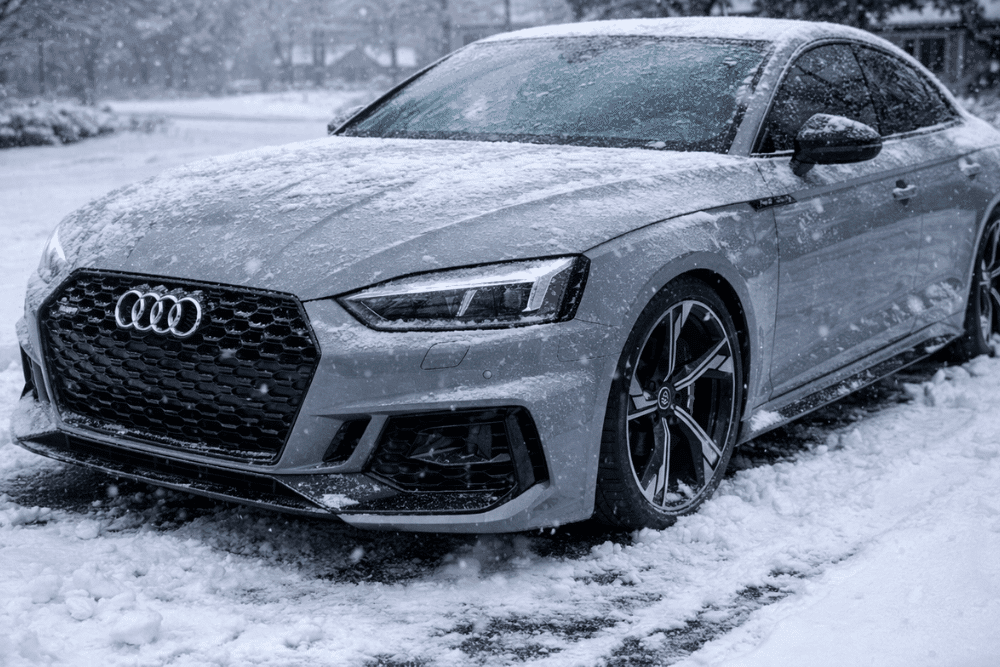
Winter may be winding down, but the effects of colder weather on your Audi are often just beginning to show. Audi cold weather problems can linger long after the temperatures rise. Cold conditions can lead to battery drain, electrical faults, sensor malfunctions, and engine performance issues that don’t always surface until weeks after the harshest days of winter have passed. If you’ve noticed warning lights, sluggish starts, or unusual electrical behavior in your Audi over the past few months, these may be signs of winter-related damage that won’t resolve on their own.
Atlanta Speedwerks specializes in diagnosing and repairing post-winter issues in European vehicles, helping Audi owners address problems early before they escalate into costly repairs. Understanding how cold weather affects your Audi’s sophisticated systems—and why these issues often appear later—can help you take proactive steps to protect your investment.
Why Gainesville Audi Owners Experience Unique Cold Weather Problems
Audi vehicles are engineered with sophisticated technology that delivers exceptional performance, but this same complexity makes them vulnerable when temperatures drop. Understanding what happens behind the scenes helps you recognize problems early.
- Complex Computer Networks: Your Audi relies on multiple control modules communicating constantly. Cold weather disrupts these digital conversations, leading to warning lights and system faults that seem to appear randomly.
- Advanced Sensor Technology: Dozens of precision sensors monitor everything from tire pressure to exhaust emissions. Cold temperatures cause metals and plastics to contract, creating electrical resistance and false readings that confuse the vehicle’s computer systems.
- Turbocharged Engine Demands: Many Audi models feature turbocharged engines requiring immediate oil flow during startup. When oil thickens in cold weather, turbo bearings don’t get the lubrication they need, accelerating wear.
- All-Wheel-Drive Complexity: Quattro systems depend on hydraulic fluids and electronic controls that become sluggish in freezing temperatures, potentially triggering drivetrain warnings.
The real issue is that cumulative stress from repeated cold starts and temperature fluctuations throughout winter often doesn’t surface until late February or March, right when you think the worst is behind you.
Battery Problems That Hide Until Spring
Your Audi’s battery may have survived January, but that doesn’t mean it’s healthy. Cold weather reduces battery capacity by up to 60 percent, and the repeated strain takes a serious toll. By late February, many batteries are operating on borrowed time.
Warning Signs You Shouldn't Ignore
- The engine cranks slower than usual on the first start of the day
- Interior lights dim noticeably when you turn the key
- Radio presets reset, or the clock loses time
- The start-stop system suddenly stops functioning
- Multiple electrical accessories fail simultaneously
What makes this frustrating is that symptoms often improve as the day warms up, leading you to believe the problem resolved itself. In reality, the battery is simply performing better at higher temperatures while continuing to deteriorate.
Professional battery testing goes beyond checking if your car starts today. It measures cold cranking amps, voltage stability under load, and charge retention over time, revealing the battery’s true condition before it leaves you stranded.
The Hidden Electrical Damage Winter Leaves Behind
Most Audi owners don’t realize that electrical problems rarely appear during the coldest days. Instead, they surface weeks later as damaged connections and compromised components finally fail.
Cold nights followed by warmer days create condensation inside electrical connectors. This moisture freezes overnight, expands, and forces its way into sealed components. Over time, this leads to corroded wiring harnesses, oxidized ground connections, and water-damaged control modules that trigger multiple warning lights.
Materials also expand and contract at different rates as temperatures swing. This constant movement loosens electrical connections and creates microscopic cracks in circuit boards. Common symptoms include:
- Heated seats that work randomly
- Infotainment systems that reboot unexpectedly
- Power windows that hesitate or stop mid-operation
- Dashboard lights that flicker during startup
A weakened battery compounds these issues by sending inconsistent voltage throughout your Audi’s electrical system, confusing sensitive electronics and potentially damaging components designed to operate within narrow voltage ranges.
Engine Performance Issues That Persist After Cold Weather
Cold weather exposes engine problems that continue even after temperatures moderate. These aren’t issues that magically disappear when spring arrives.
Carbon Buildup Accelerates in Winter
Audi’s direct injection engines are prone to carbon accumulation on intake valves. Cold weather makes this worse because fuel doesn’t atomize completely in cold combustion chambers, and short trips don’t allow engines to reach full operating temperature. The result is restricted airflow, causing misfires, rough idling, and noticeable power loss.
Cold Start Stress on Critical Components
Even quality synthetic oil thickens in cold weather. During the first seconds after a cold start, your engine operates with minimal lubrication. This is particularly damaging for turbocharger bearings that spin at extreme speeds, variable valve timing components requiring precise oil pressure, and timing chain tensioners depending on immediate oil flow.
Fuel System Complications
Moisture in fuel lines can create restrictions, while fuel injectors may not spray properly when cold. You might experience extended cranking before the engine catches, rough idling that smooths out after warm-up, hesitation during acceleration, or blue smoke on startup.
If you’re experiencing any of these symptoms in your Audi, don’t wait for a complete failure. Schedule your diagnostic with Atlanta Speedwerks at 470 Woodsmill Rd Ste E, Gainesville, GA 30501, or call us at 678-971-5300. Our comprehensive inspections identify problems while they’re still affordable to fix.
When Sensors Fail, Everything Goes Wrong
Modern Audi vehicles make thousands of decisions every second based on sensor data. When sensors malfunction after months of cold weather exposure, the effects cascade through multiple systems.
- Tire Pressure Monitoring System: Cold air contracts, dropping tire pressure, and triggering warnings. Repeated pressure fluctuations can also mask leaks or dying sensor batteries.
- Mass Airflow Sensors: Contamination or thermal shock causes misreadings that lead to incorrect fuel delivery, poor performance, and check engine lights.
- Wheel Speed Sensors: Corrosion or damaged wiring prevents accurate readings, disabling traction control, stability systems, and anti-lock brakes.
- Oxygen Sensors: Exposure to thermal extremes causes premature failure, resulting in poor fuel economy and increased emissions.
The challenge is that sensor problems often create fault codes pointing to symptoms rather than root causes. Proper diagnosis requires specialized equipment and experience with European vehicle systems.
Atlanta Speedwerks' Approach to Winter-Damaged Audis
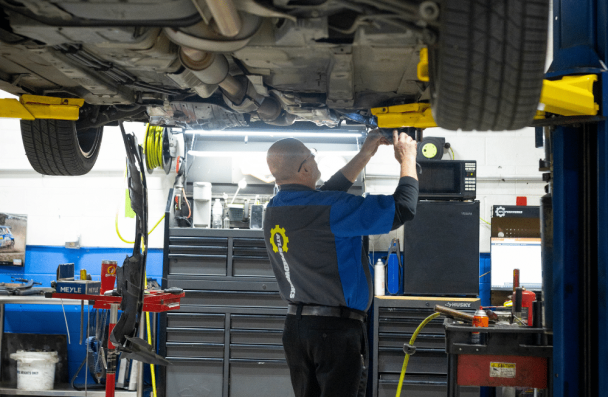
At Atlanta Speedwerks, we understand that Audi cold-weather problems require more than reading fault codes. Our diagnostic process identifies why problems are occurring, not just what’s broken.
Comprehensive Testing Methods:
- Battery and charging system analysis with professional-grade equipment
- Electrical circuit testing under load conditions
- Real-time sensor data monitoring and verification
- Engine performance assessment and compression testing
We approach every Audi knowing that symptoms have underlying causes. Rather than replacing parts based on guesswork, we test systems thoroughly to verify what needs repair. You’ll receive clear explanations about your vehicle’s condition with recommendations organized by urgency and safety, helping you make informed decisions without pressure.
Our Commitment to Quality:
- Experienced Technicians: Our team brings expert-level knowledge to complex European vehicle systems
- Advanced Diagnostic Equipment: We use specialized diagnostic tools designed specifically for European vehicle systems
- Peace of Mind: 2-year/24,000-mile warranty on all work
- Flexible Financing: Financing available to make necessary repairs accessible
- Convenient Service: Uber and Lyft service plus after-hours drop-off for busy schedules
FAQs About Audi Cold Weather Problems in Georgia
Do Audis have problems in cold weather?
Yes, Audis can experience several problems in cold weather, including battery drain, electrical faults, sensor errors, and engine starting difficulties. These issues result from complex electronic systems that are sensitive to temperature extremes. Regular maintenance and post-winter inspections help prevent these problems from becoming serious.
Why won't my Audi start when it's cold?
Cold-start problems typically stem from weak batteries, thickened engine oil, or fuel system issues. When temperatures drop, battery capacity decreases significantly, making it harder to crank the engine while cold oil doesn’t flow properly. A professional diagnostic can identify the specific cause and prevent future failures.
Are Audi batteries affected by winter?
Audi batteries lose up to 60 percent of their capacity in cold temperatures. The repeated strain of cold cranking weakens batteries over time, often causing failures in late winter or early spring, even if the battery performed adequately earlier. Testing battery health after winter helps prevent unexpected breakdowns.
What causes Audi warning lights in winter?
Winter warning lights often result from sensor malfunctions, electrical connection issues, or system faults triggered by cold temperatures. Tire pressure sensors, oxygen sensors, and wheel speed sensors are particularly vulnerable. Moisture intrusion and thermal stress cause electrical components to behave erratically, triggering dashboard alerts.
When should cold-weather Audi issues be checked?
Cold-weather Audi issues should be checked as soon as you notice symptoms like slow starts, warning lights, electrical glitches, or rough engine performance. Even intermittent problems indicate underlying issues that will worsen over time. Late winter and early spring are ideal times for comprehensive inspections.
Schedule Your Audi Repair in Gainesville, GA Today
Don’t let lingering winter problems compromise your Audi’s performance and reliability. Whether you’re dealing with battery issues, electrical faults, sensor errors, or engine concerns, Atlanta Speedwerks has the expertise and equipment to diagnose and resolve cold-weather problems efficiently.
Visit us at Atlanta Speedwerks, 470 Woodsmill Rd Ste E, Gainesville, GA 30501, or call us at 678-971-5300 to schedule your appointment. We’re proud to serve Audi owners throughout Gainesville, Hall County, Flowery Branch, Oakwood, and Dawsonville with the highest level of care and expertise. Let us help you keep your Audi running at its best for years to come.