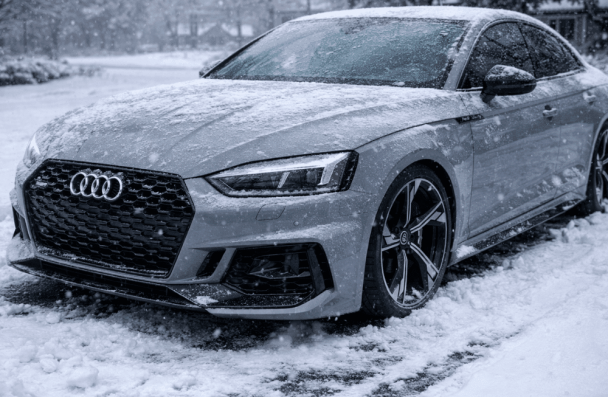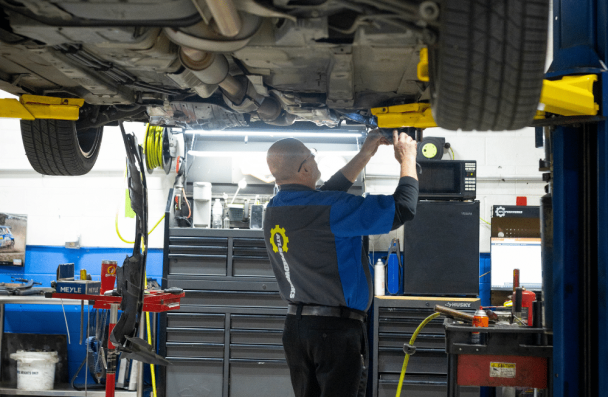

Volkswagen owners often experience suspension and brake problems after winter or during seasons with heavy rainfall and poor road conditions. The most common causes include pothole damage, worn bushings, corroded brake components, and alignment shifts that develop gradually over time. At Atlanta Speedwerks in Gainesville, GA, these are some of the most frequent concerns we see from local VW drivers, and they can lead to pulling, vibrations, uneven tire wear, and compromised braking performance if left unchecked.
Understanding how your Volkswagen’s suspension and braking systems work together helps you catch problems early. This guide walks you through the warning signs, explains why European vehicles need specialized attention, and shows you how proactive maintenance can prevent costly repairs down the road.
How Road Conditions Affect Your Volkswagen
Your Volkswagen’s suspension system absorbs thousands of impacts every time you drive. From small cracks in the pavement to deep potholes, each jolt puts stress on critical components. Over time, this wear accumulates and can lead to noticeable handling problems.
Potholes and Rough Roads
Potholes are one of the biggest threats to your suspension. When your wheel drops into a pothole, the sudden impact can bend control arms, damage ball joints, knock your alignment out of spec, or even crack a wheel. Volkswagen vehicles like the Jetta, Passat, Golf, and Tiguan use precisely engineered suspension geometry. Even small changes to that geometry can cause the vehicle to pull, handle unpredictably, or wear tires unevenly.
The problem is that pothole damage is not always obvious. You might hit a bad one and feel fine afterward, only to notice your steering wheel is slightly off-center a few days later. That subtle shift often indicates bent components or an alignment issue that needs professional attention.
Moisture, Salt, and Debris Damage
Rain and moisture accelerate corrosion on suspension and brake components. Brake rotors, calipers, and hardware are especially vulnerable to rust when exposed to wet conditions over extended periods. Road salt used in some regions makes this worse by speeding up oxidation.
Debris kicked up from wet roads can also damage rubber bushings and dust boots that protect ball joints and tie rod ends. Once these protective covers tear, dirt and water get inside and cause premature wear. Regular inspections help catch this damage before it leads to component failure.
Warning Signs Your Suspension Needs Attention
Your Volkswagen will give you clear signals when something is wrong with the suspension. The key is knowing what to look for and addressing problems before they escalate.
Pulling or Drifting to One Side
If your vehicle pulls to one side while driving on a straight, flat road, you likely have an alignment problem. This can result from hitting a pothole, worn suspension components, or uneven tire pressure. Many drivers ignore minor pulling because they compensate with the steering wheel. However, this puts uneven stress on tires and suspension parts, leading to faster wear and higher repair costs.
Unusual Vibrations While Driving
Vibrations through the steering wheel or floorboard often point to suspension issues. Worn shock absorbers, damaged strut mounts, or unbalanced wheels can all cause vibrations. Pay attention to when the vibrations occur. Vibrations at highway speeds often indicate wheel balance issues, while vibrations during braking suggest warped rotors or worn brake components.
Uneven Tire Wear
Your tires tell a story about your suspension health. If the inside or outside edges of your tires wear faster than the center, your alignment is off. Cupped or scalloped wear patterns typically indicate worn shocks or struts. Checking your tires regularly helps you catch suspension problems early and extends tire life.
Brake Problems You Should Never Ignore
Your brakes are your most important safety system. Volkswagen vehicles are engineered with sophisticated braking systems that require proper maintenance to function correctly. When something goes wrong, you need to address it immediately.
Soft or Spongy Brake Pedal
A brake pedal that feels soft or sinks toward the floor indicates a problem with the hydraulic system. This could be air in the brake lines, a failing master cylinder, or a leak somewhere in the system. Either way, it compromises your stopping power and requires immediate attention.
Grinding or Squealing Sounds
Brake pads have wear indicators that produce a squealing sound when the pads get thin. This is your warning to have them replaced soon. If you ignore the squeal and hear grinding instead, the pads have worn through completely, and metal is contacting metal. This damages your rotors and significantly increases repair costs.
Uneven Braking Response
If your vehicle pulls to one side when braking, you may have a stuck caliper, uneven pad wear, or hydraulic issues affecting one side more than the other. This creates unpredictable stopping behavior and increases stopping distances. A thorough brake inspection can identify the root cause.
Why European Vehicles Require Specialized Inspections
Volkswagen engineers suspension and brake systems differently from domestic manufacturers. These systems use specific tolerances, specialized components, and unique design philosophies that general repair shops may not fully understand.
European vehicles often use sophisticated multi-link suspension designs that provide excellent handling but require precise alignment specifications. The brake systems may include features like electronic parking brakes, brake-by-wire technology, or integrated stability control systems that need proper diagnostic equipment to be serviced correctly.
Technicians who specialize in European vehicles, like those at Atlanta Speedwerks, understand these nuances. They know what to look for during inspections, have the right diagnostic tools, and can identify problems that a general shop might miss. This expertise matters when you want accurate diagnoses and repairs that last.
If you are experiencing any of these warning signs with your Volkswagen, do not wait for the problem to get worse. Visit Atlanta Speedwerks at 470 Woodsmill Rd Ste E, Gainesville, GA 30501, or call 678-971-5300 to schedule an inspection. Proactive maintenance keeps you safe and saves money in the long run.
The Connection Between Wheel Alignment and Suspension Health
Wheel alignment and suspension health are closely linked. Your alignment settings depend on your suspension components being in good condition. When a control arm bushing wears out, a ball joint develops play, or a strut loses its damping ability, your alignment shifts even if you have not hit anything.
This creates a frustrating cycle for some drivers. They pay for an alignment, notice the car still pulls or wears tires unevenly, and assume the alignment was done incorrectly. In reality, worn suspension components are preventing the alignment from holding. A proper inspection identifies these worn parts so they can be replaced before the alignment is performed.
At Atlanta Speedwerks, we perform alignments using the Hunter alignment system, which uses advanced measuring technology to detect alignment issues with a high degree of accuracy. It can also identify worn suspension components by showing how alignment readings shift under load, helping our technicians catch problems that less precise equipment would miss. For a European vehicle like a Volkswagen, where suspension geometry tolerances are tighter than most, that level of precision matters.
Why Choose Atlanta Speedwerks for Your Volkswagen
We bring racing-level precision to every Volkswagen that comes through our doors. Our roots in performance mean we understand suspension geometry and brake dynamics inside and out. When you bring your VW in, we tell you exactly what we find with no surprises and no unnecessary repairs. That is what it means to curate your car ownership experience.
- 2-year/24,000-mile warranty on repairs
- Hunter alignment system for precision wheel alignments
- Fluids for European vehicle specifications
- Uber and Lyft service while your car is in the shop
- After-hours drop-off for your convenience
- Financing available
We have been serving Gainesville and surrounding areas like Flowery Branch and Oakwood since 2014, and we treat every customer like a neighbor.
FAQs About Volkswagen Suspension and Brake Problems
Can winter damage Volkswagen suspension?
Yes, winter conditions can damage Volkswagen suspension through pothole impacts, road salt corrosion, and moisture deterioration of rubber components. Cold temperatures also make rubber bushings less flexible and more prone to cracking.
Why does my VW pull after winter?
A VW often pulls after winter due to alignment shifts caused by pothole impacts or worn suspension components that deteriorated during cold, wet conditions. Having the alignment checked and suspension inspected identifies the cause.
Do potholes damage VW suspension?
Potholes can definitely damage VW suspension by bending control arms, damaging ball joints, or knocking the alignment out of specification. Even a single hard impact can cause problems that show up later as pulling or vibration.
How do I know if my VW brakes are failing?
Signs of failing VW brakes include a soft or spongy pedal, squealing or grinding noises, pulling to one side when braking, and increased stopping distances. Any of these symptoms should be inspected immediately for safety.
When should suspension issues be checked?
Suspension issues should be checked as soon as you notice pulling, vibrations, unusual noises, or uneven tire wear. Annual inspections are also recommended to catch developing problems before they cause further damage.
Get Your Volkswagen Inspected in Gainesville Today
Ready to get your Volkswagen driving as it should? Schedule your inspection today with the team that understands European vehicles. Visit Atlanta Speedwerks at 470 Woodsmill Rd Ste E, Gainesville, GA 30501, or call 678-971-5300 to book your appointment. We look forward to keeping you safe on the road.